Expert Tips for Maintaining Coral Reef Ecosystems
- Brooke Kerns
- 2 days ago
- 3 min read

Coral reefs are among the most diverse and vibrant ecosystems on the planet, often referred to as the "rainforests of the sea." They provide essential habitats for countless marine species, protect coastlines from erosion, and support local economies through tourism and fishing. However, these delicate ecosystems are under threat from climate change, pollution, and overfishing. In this blog post, we will explore expert tips for maintaining coral reef ecosystems, ensuring their survival for future generations.
Understanding Coral Reefs
What Are Coral Reefs?
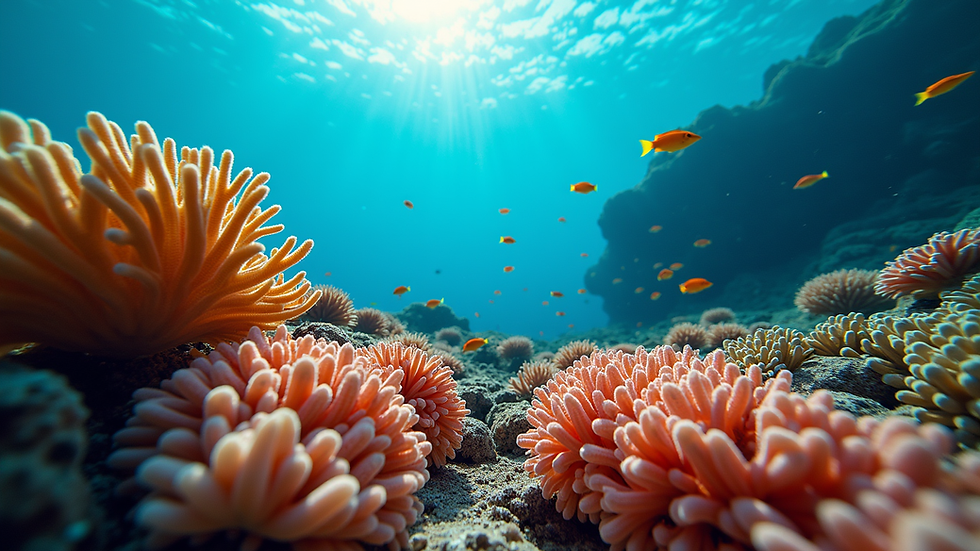
Coral reefs are structures formed by colonies of tiny animals called corals. These corals secrete calcium carbonate, which builds up over time to create the reef structure. Coral reefs are found in warm, shallow waters and are home to a vast array of marine life, including fish, mollusks, and sea turtles.
Importance of Coral Reefs
Coral reefs play a crucial role in marine ecosystems. They:
Provide habitat and shelter for many marine organisms.
Support fisheries that are vital for local communities.
Protect coastlines from storm surges and erosion.
Contribute to tourism and recreation.
Threats to Coral Reefs
Climate Change
Rising ocean temperatures lead to coral bleaching, a phenomenon where corals expel the algae living in their tissues, causing them to turn white and become more susceptible to disease.
Pollution
Runoff from agriculture, sewage, and industrial waste can introduce harmful substances into the ocean, leading to nutrient overloads that promote algal blooms and smother corals.
Overfishing
Unsustainable fishing practices can deplete fish populations that are essential for maintaining the balance of the reef ecosystem.
Expert Tips for Maintaining Coral Reef Ecosystems
1. Promote Sustainable Fishing Practices
Sustainable fishing is vital for the health of coral reefs. Here are some ways to promote it:
Educate Local Fishermen: Provide training on sustainable fishing techniques, such as using nets that minimize bycatch.
Implement Fishing Quotas: Establish limits on the number and size of fish that can be caught to prevent overfishing.
Create Marine Protected Areas: Designate specific areas where fishing is restricted or prohibited to allow fish populations to recover.
2. Reduce Pollution
Reducing pollution is essential for the health of coral reefs. Consider the following actions:
Implement Better Waste Management: Encourage local communities to adopt proper waste disposal methods to prevent runoff into the ocean.
Promote Organic Farming: Support farmers in using organic practices that reduce the use of harmful fertilizers and pesticides.
Raise Awareness: Conduct community outreach programs to educate the public about the impacts of pollution on coral reefs.
3. Combat Climate Change
Addressing climate change is crucial for the survival of coral reefs. Here are some strategies:
Support Renewable Energy: Advocate for the use of solar, wind, and other renewable energy sources to reduce greenhouse gas emissions.
Participate in Reforestation: Engage in tree-planting initiatives to absorb carbon dioxide and mitigate climate change effects.
Encourage Sustainable Practices: Promote energy-efficient practices in homes and businesses to reduce overall carbon footprints.
4. Restore Damaged Reefs
Restoration efforts can help revive damaged coral reefs. Consider these approaches:
Coral Gardening: Cultivate coral fragments in nurseries and transplant them onto damaged reefs to promote regrowth.
Artificial Reefs: Create artificial structures that provide habitat for marine life and encourage coral growth.
Monitoring and Research: Conduct ongoing research to assess the health of coral reefs and adapt restoration strategies as needed.
5. Engage the Community
Community involvement is key to the success of coral reef conservation efforts. Here are some ways to engage:
Organize Clean-Up Events: Host beach and underwater clean-up events to remove debris and pollutants from coastal areas.
Involve Local Schools: Create educational programs for schools to teach students about the importance of coral reefs and conservation efforts.
Encourage Eco-Tourism: Promote responsible tourism practices that support local economies while protecting coral reefs.
Conclusion
Maintaining coral reef ecosystems is a shared responsibility that requires the commitment of individuals, communities, and governments. By promoting sustainable fishing practices, reducing pollution, combating climate change, restoring damaged reefs, and engaging the community, we can help ensure the survival of these vital ecosystems. The health of our oceans depends on our actions today, and every effort counts. Let’s work together to protect our coral reefs for future generations.

Comments