Creating a Thriving Saltwater Aquarium at Home
- Brooke Kerns
- 2 days ago
- 4 min read

Setting up a saltwater aquarium can be an incredibly rewarding experience, offering a glimpse into the vibrant underwater world right from your living room. However, it can also be daunting for beginners. With the right knowledge and preparation, you can create a thriving aquatic environment that not only looks stunning but also supports the health and well-being of its inhabitants. This guide will walk you through the essential steps to establish and maintain a successful saltwater aquarium.

Understanding Saltwater Aquariums
Before diving into the setup process, it's crucial to understand what a saltwater aquarium entails. Unlike freshwater tanks, saltwater aquariums require specific conditions to thrive. Here are some key points to consider:
Salinity Levels: Saltwater aquariums need a specific salinity level, typically between 1.020 and 1.025 specific gravity.
Water Chemistry: Maintaining proper pH, ammonia, nitrite, and nitrate levels is vital for the health of marine life.
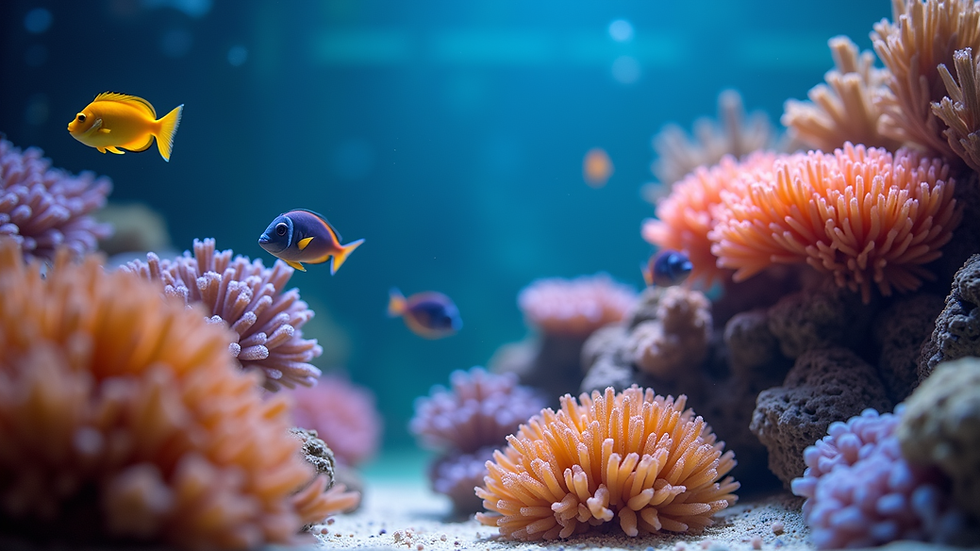
Types of Aquariums: You can choose between a reef tank, which includes corals and invertebrates, or a fish-only tank, which focuses solely on fish species.
Choosing the Right Equipment
Setting up a saltwater aquarium requires specific equipment to ensure a stable environment. Here’s a list of essential items:
Tank Size
The size of your aquarium will significantly impact the types of fish and corals you can keep. A larger tank (at least 30 gallons) is generally more stable and easier to maintain than a smaller one.
Filtration System
A high-quality filtration system is crucial for maintaining water quality. Consider a combination of mechanical, chemical, and biological filtration to keep your tank clean.
Heater
Most marine species thrive in temperatures between 75°F and 80°F. A reliable heater will help maintain this temperature range.
Lighting
Proper lighting is essential, especially if you plan to keep corals. LED lights are energy-efficient and can be adjusted to provide the right spectrum for photosynthesis.
Live Rock and Substrate
Live rock not only provides a natural habitat for fish but also helps establish beneficial bacteria that aid in the nitrogen cycle. Choose a substrate that suits your tank's inhabitants, such as sand or crushed coral.
Setting Up Your Aquarium
Once you have all your equipment, it’s time to set up your aquarium. Follow these steps for a successful installation:
Step 1: Rinse and Prepare
Before adding any equipment, rinse the tank, substrate, and decorations with fresh water to remove any dust or contaminants. Avoid using soap or chemicals.
Step 2: Add Substrate
Pour the substrate into the tank, creating a depth of about 1-2 inches. This will provide a base for beneficial bacteria and a natural look.
Step 3: Position Live Rock
Arrange the live rock in a way that creates caves and hiding spots for fish. Ensure there is enough space for water circulation.
Step 4: Fill the Tank
Slowly fill the tank with saltwater, either by mixing your own salt mix with dechlorinated water or purchasing pre-mixed saltwater from a store.
Step 5: Install Equipment
Set up your filtration system, heater, and lighting according to the manufacturer's instructions.
Step 6: Cycle the Tank
Before adding any fish, you must cycle the tank to establish beneficial bacteria. This process can take 4-6 weeks. Monitor ammonia, nitrite, and nitrate levels during this time.
Selecting Fish and Invertebrates
Choosing the right species for your aquarium is crucial for a harmonious environment. Here are some popular options:
Fish
Clownfish: Hardy and colorful, perfect for beginners.
Tangs: Active swimmers that add movement to your tank.
Gobies: Small and peaceful, great for community tanks.
Invertebrates
Cleaner Shrimp: Help keep fish healthy by cleaning parasites.
Snails: Effective algae eaters that help maintain tank cleanliness.
Corals: If you have a reef tank, consider soft corals like zoanthids or mushrooms for easy care.
Maintaining Your Aquarium
Once your aquarium is set up and stocked, regular maintenance is essential for keeping it thriving. Here are some key tasks:
Water Changes
Perform regular water changes (10-20% weekly) to maintain water quality. This helps remove toxins and replenish essential minerals.
Monitor Water Parameters
Regularly test for salinity, pH, ammonia, nitrite, and nitrate levels. Keeping these parameters stable is crucial for the health of your aquatic life.
Clean Equipment
Periodically clean your filtration system and heater to ensure they function efficiently. Remove any debris or algae buildup.
Observe Your Fish
Keep an eye on your fish for any signs of stress or illness. Early detection can prevent larger issues down the line.
Troubleshooting Common Issues
Even with the best preparation, issues may arise in your saltwater aquarium. Here are some common problems and solutions:
Algae Blooms
If you notice excessive algae growth, it may be due to high nutrient levels or too much light. Reduce feeding, increase water changes, and adjust lighting duration.
Fish Disease
Common diseases like ich or fin rot can affect your fish. Quarantine new arrivals and treat affected fish promptly with appropriate medications.
Water Quality Issues
If your water parameters are off, consider adjusting your filtration system or increasing water changes. Regular testing will help you stay ahead of potential problems.
Conclusion
Creating a thriving saltwater aquarium at home is a fulfilling endeavor that requires careful planning and ongoing maintenance. By understanding the needs of your aquatic life, selecting the right equipment, and committing to regular care, you can enjoy a beautiful underwater world for years to come. Remember, patience is key—allow your aquarium to establish itself, and soon you'll be rewarded with a vibrant and healthy marine ecosystem.
Take the plunge and start your saltwater aquarium journey today!
Comments